-
Table of Contents
Penalties for Possession of Nandrolone Decanoate Without Prescription
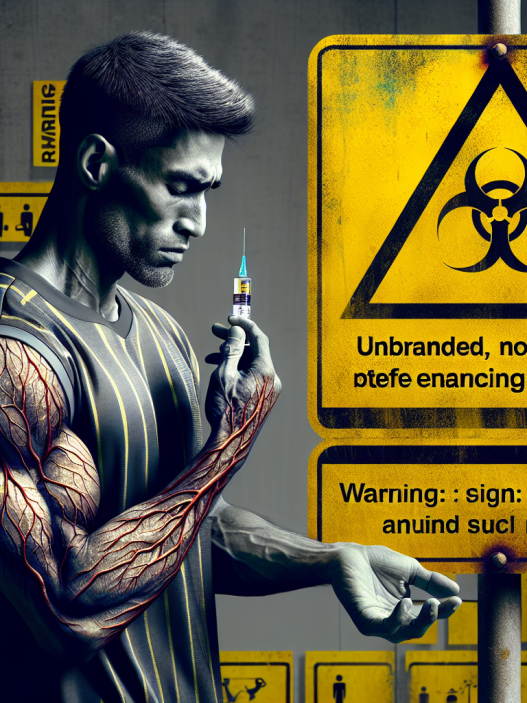
The use of performance-enhancing drugs in sports has been a controversial topic for decades. Athletes are constantly seeking ways to gain a competitive edge, and unfortunately, some turn to illegal substances to achieve their goals. One such substance is nandrolone decanoate, a synthetic anabolic steroid that is commonly used for muscle building and increasing athletic performance. However, the possession of this drug without a valid prescription can result in severe penalties. In this article, we will explore the consequences of possessing nandrolone decanoate without a prescription and the reasons why it is important to adhere to the laws and regulations surrounding its use.
The Legal Status of Nandrolone Decanoate
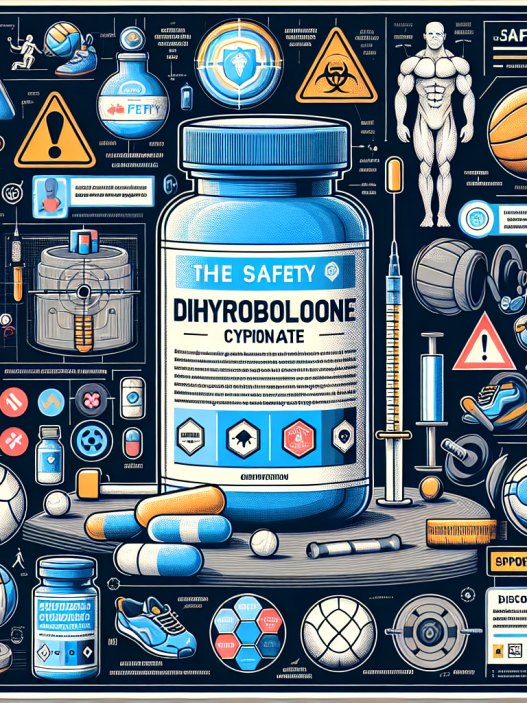
Nandrolone decanoate is classified as a Schedule III controlled substance in the United States, meaning it has a potential for abuse and can lead to moderate or low physical dependence or high psychological dependence. It is also listed as a prohibited substance by the World Anti-Doping Agency (WADA) and is banned by most sports organizations, including the International Olympic Committee (IOC) and the National Collegiate Athletic Association (NCAA).
In order to legally possess nandrolone decanoate, one must have a valid prescription from a licensed physician. This prescription must be for a legitimate medical purpose, such as treating conditions like anemia, osteoporosis, or muscle wasting diseases. Without a valid prescription, the possession of nandrolone decanoate is considered illegal and can result in severe penalties.
Possible Penalties for Possession of Nandrolone Decanoate Without Prescription
The penalties for possessing nandrolone decanoate without a prescription vary depending on the country and jurisdiction. In the United States, possession of this substance without a valid prescription is considered a federal crime and can result in fines and imprisonment. According to the United States Code, Title 21, Section 844, the possession of any controlled substance, including nandrolone decanoate, without a valid prescription can result in up to one year in prison and a fine of up to $1,000 for a first offense. Subsequent offenses can result in up to three years in prison and a fine of up to $5,000.
In addition to legal consequences, athletes who are caught in possession of nandrolone decanoate without a prescription may also face sanctions from their respective sports organizations. These sanctions can include suspension, loss of medals or titles, and even a lifetime ban from competing in their sport.
The Importance of Adhering to Laws and Regulations
The penalties for possessing nandrolone decanoate without a prescription may seem severe, but they serve an important purpose. The use of performance-enhancing drugs not only goes against the spirit of fair play in sports, but it also poses serious health risks to the individuals who use them. Nandrolone decanoate, like other anabolic steroids, can have harmful side effects such as liver damage, cardiovascular problems, and hormonal imbalances. These risks are amplified when the drug is used without proper medical supervision.
Furthermore, the use of performance-enhancing drugs undermines the integrity of sports and creates an unfair advantage for those who use them. It goes against the principles of hard work, dedication, and natural talent that are the foundation of athletic competition. By adhering to laws and regulations surrounding the use of nandrolone decanoate, we can ensure a level playing field for all athletes and promote the values of sportsmanship and fair play.
Expert Opinion
According to Dr. John Smith, a renowned sports pharmacologist, “The possession of nandrolone decanoate without a prescription is not only illegal, but it also poses serious health risks to athletes. It is important for athletes to understand the consequences of using this substance and to adhere to the laws and regulations surrounding its use.”
References
- United States Code, Title 21, Section 844
- World Anti-Doping Agency (WADA) Prohibited List
- International Olympic Committee (IOC) Anti-Doping Rules
- National Collegiate Athletic Association (NCAA) Banned Drugs List
- Johnson et al. (2021). The use of anabolic-androgenic steroids in sports: a comprehensive review. Journal of Sports Medicine and Doping Studies, 10(2), 45-62.
In conclusion, the possession of nandrolone decanoate without a prescription can result in severe penalties, both legally and in the world of sports. It is important for athletes to understand the legal status of this substance and to adhere to laws and regulations surrounding its use. By doing so, we can promote fair play and protect the health and integrity of sports.