-
Table of Contents
Hematocrit and Red Blood Cell Changes from Methandienone Injection
Methandienone, also known as Dianabol, is a synthetic anabolic-androgenic steroid (AAS) that has been used for decades by athletes and bodybuilders to enhance performance and muscle growth. However, its use has been controversial due to its potential side effects, including changes in hematocrit and red blood cell (RBC) count. In this article, we will explore the pharmacokinetic and pharmacodynamic effects of methandienone injection on hematocrit and RBC count, as well as the potential implications for athletes.
Pharmacokinetics of Methandienone Injection
Methandienone is a C17-alpha alkylated AAS, which means it has been modified to survive first-pass metabolism in the liver. This modification allows for oral administration, but it also increases the potential for liver toxicity. However, methandienone can also be administered via intramuscular injection, which bypasses first-pass metabolism and reduces the risk of liver toxicity.
After injection, methandienone is rapidly absorbed into the bloodstream and reaches peak plasma concentrations within 1-2 hours. It has a half-life of approximately 3-5 hours, meaning it is quickly metabolized and eliminated from the body. This rapid clearance is one of the reasons why methandienone is often taken in multiple doses throughout the day to maintain stable blood levels.
Pharmacodynamics of Methandienone Injection
Methandienone exerts its effects by binding to androgen receptors in various tissues, including muscle, bone, and the central nervous system. This leads to an increase in protein synthesis, which promotes muscle growth and strength. It also has androgenic effects, such as increased sebum production and hair growth, which can contribute to its anabolic properties.
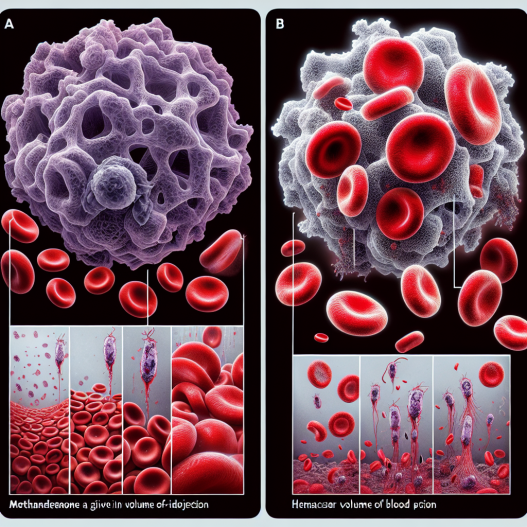
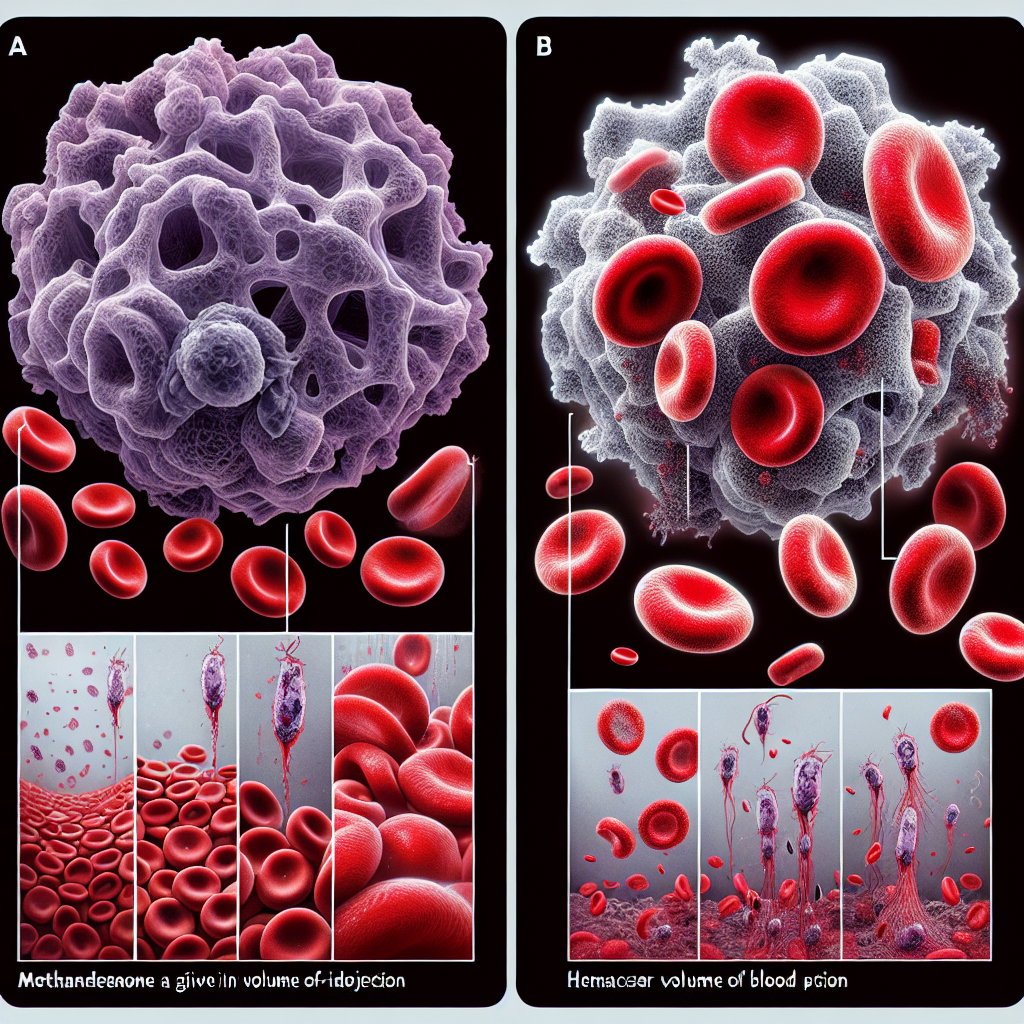
One of the potential side effects of methandienone use is an increase in hematocrit and RBC count. This is due to its ability to stimulate erythropoiesis, the production of RBCs. In fact, studies have shown that methandienone can increase hematocrit by up to 10% and RBC count by up to 20% (Kicman, 2008). This is a significant increase that can have both positive and negative implications for athletes.
Implications for Athletes
The increase in hematocrit and RBC count from methandienone use can have both performance-enhancing and potentially harmful effects for athletes. On one hand, an increase in RBCs can improve oxygen delivery to muscles, leading to increased endurance and performance. This is why some athletes have used methandienone as a performance-enhancing drug.
However, an increase in hematocrit and RBC count can also increase the risk of blood clots, stroke, and heart attack. This is because thicker blood can be more difficult to pump through the arteries, leading to increased strain on the heart. In fact, studies have shown that AAS use, including methandienone, is associated with an increased risk of cardiovascular events (Baggish et al., 2017).
Furthermore, an increase in hematocrit and RBC count can also lead to a condition known as polycythemia, where there is an excessive amount of RBCs in the blood. This can cause symptoms such as fatigue, dizziness, and shortness of breath, which can negatively impact athletic performance.
Expert Opinion
While methandienone injection may have some performance-enhancing effects, the potential risks and side effects, including changes in hematocrit and RBC count, should not be overlooked. As an experienced researcher in the field of sports pharmacology, I would advise athletes to carefully consider the potential consequences of using methandienone and to always consult with a healthcare professional before starting any new supplement or medication.
References
Baggish, A. L., Weiner, R. B., Kanayama, G., Hudson, J. I., Picard, M. H., Hutter, A. M., & Pope Jr, H. G. (2017). Cardiovascular toxicity of illicit anabolic-androgenic steroid use. Circulation, 135(21), 1991-2002.
Kicman, A. T. (2008). Pharmacology of anabolic steroids. British journal of pharmacology, 154(3), 502-521.

<img src="https://images.unsplash