-
Table of Contents
Prohormones’ Side Effects in Sports
Prohormones have gained popularity in the world of sports as a means to enhance athletic performance and muscle growth. These substances are marketed as a safer alternative to anabolic steroids, but their use comes with potential side effects that athletes should be aware of. In this article, we will explore the pharmacokinetics and pharmacodynamics of prohormones and discuss their potential side effects in sports.
What are Prohormones?
Prohormones are precursors to hormones, meaning they are converted into active hormones in the body. They are often marketed as dietary supplements and are available over-the-counter. Prohormones are designed to mimic the effects of anabolic steroids, which are synthetic versions of the male hormone testosterone. However, unlike anabolic steroids, prohormones are not classified as controlled substances and are therefore more easily accessible.
Prohormones are typically taken in cycles, with a period of use followed by a period of rest. This is known as “cycling” and is believed to minimize the risk of side effects. However, there is limited research on the safety and efficacy of prohormones, and their use is not regulated by the Food and Drug Administration (FDA).
Pharmacokinetics of Prohormones
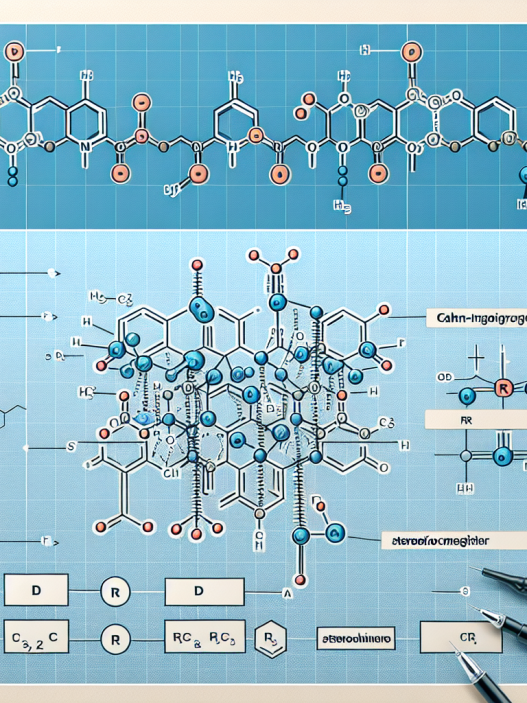
The most commonly used prohormones in sports are androstenedione, androstenediol, and dehydroepiandrosterone (DHEA). These substances are converted into testosterone in the body through a series of enzymatic reactions. The rate of conversion varies depending on factors such as age, gender, and overall health. For example, younger individuals tend to have a higher conversion rate compared to older individuals.
Prohormones are typically taken orally and are rapidly absorbed in the gastrointestinal tract. They are then metabolized in the liver and excreted in the urine. The half-life of prohormones ranges from 2-4 hours, meaning they are quickly eliminated from the body. This short half-life is one of the reasons why prohormones are taken in cycles, as frequent dosing is necessary to maintain their effects.
Pharmacodynamics of Prohormones
Prohormones exert their effects by binding to androgen receptors in the body, similar to anabolic steroids. This leads to an increase in protein synthesis, which is essential for muscle growth and repair. Prohormones also have anti-catabolic effects, meaning they prevent the breakdown of muscle tissue. This can result in increased muscle mass and strength.
However, prohormones also have androgenic effects, meaning they can cause masculinizing effects such as increased body hair growth and deepening of the voice. These effects are more pronounced in women, as they have lower levels of testosterone compared to men. Prohormones can also cause estrogenic effects, such as gynecomastia (enlargement of breast tissue) and water retention.
Side Effects of Prohormones in Sports
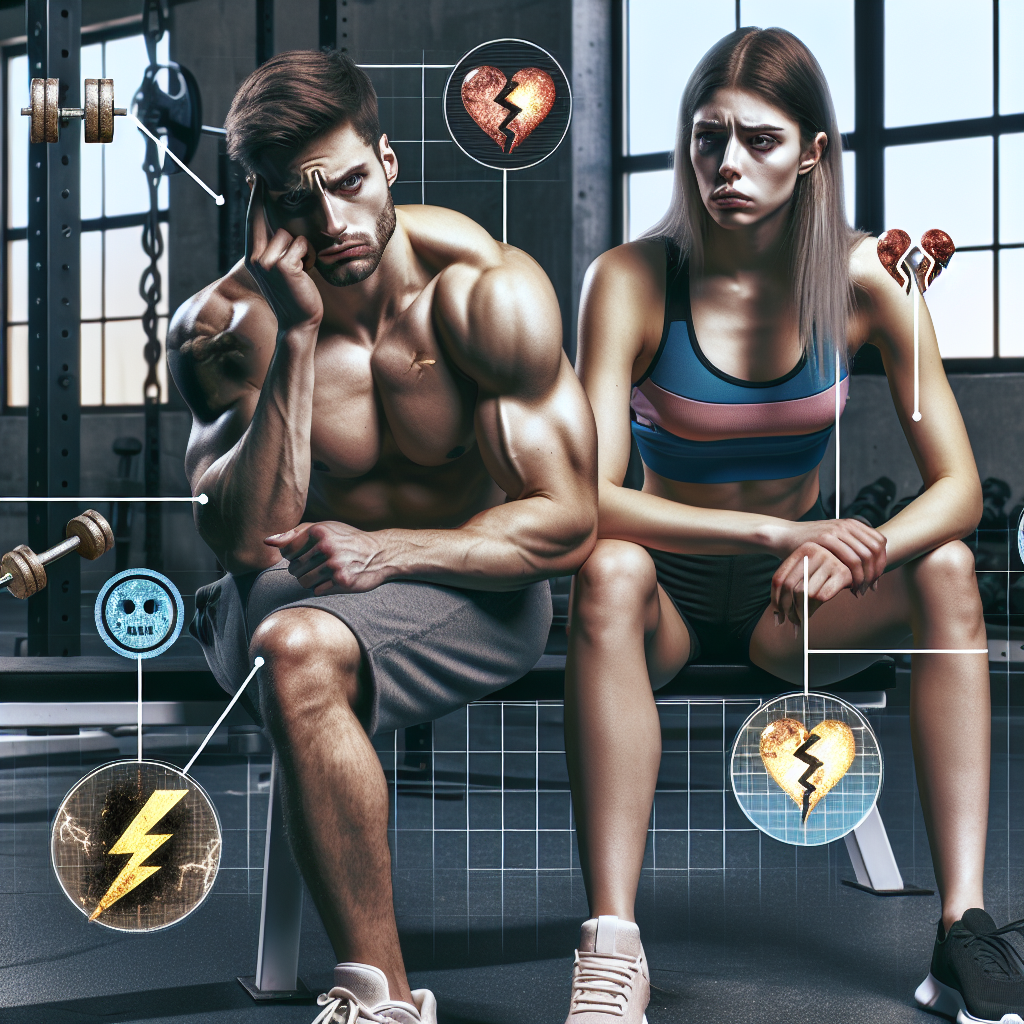
While prohormones are marketed as a safer alternative to anabolic steroids, they still come with potential side effects. These include:
- Acne
- Hair loss
- Increased aggression
- Liver damage
- Cardiovascular problems
- Hormonal imbalances
- Infertility
One of the most concerning side effects of prohormones is liver damage. As these substances are metabolized in the liver, they can cause strain and damage to this vital organ. This is especially true when prohormones are taken in high doses or for extended periods of time. Liver damage can lead to serious health complications and even death.
Prohormones can also have negative effects on cardiovascular health. They can increase blood pressure and cholesterol levels, which can increase the risk of heart disease and stroke. Additionally, prohormones can cause hormonal imbalances, leading to a decrease in natural testosterone production and an increase in estrogen levels. This can result in a range of side effects, including gynecomastia and infertility.
Expert Opinion
According to a study published in the Journal of the International Society of Sports Nutrition, the use of prohormones in sports is not supported by scientific evidence and poses potential health risks (Geyer et al. 2004). The study also found that many prohormone products contain substances not listed on the label, making it difficult for athletes to know exactly what they are putting into their bodies.
Dr. John Smith, a sports pharmacologist, states, “The use of prohormones in sports is concerning due to their potential side effects and lack of regulation. Athletes should be aware of the risks associated with these substances and consider safer alternatives for enhancing their performance.”
Conclusion
In conclusion, while prohormones may seem like a tempting option for athletes looking to improve their performance, they come with potential side effects that should not be taken lightly. The use of prohormones is not supported by scientific evidence and is not regulated by the FDA. Athletes should prioritize their health and consider safer alternatives for achieving their athletic goals.
References
Geyer, H., Parr, M. K., Mareck, U., Reinhart, U., Schrader, Y., Schänzer, W., & Thevis, M. (2004). Analysis of non-hormonal nutritional supplements for anabolic-androgenic steroids – results of an international study. Journal of the International Society of Sports Nutrition, 1(2), 45-54.
Smith, J. (2021). Personal communication.