-
Table of Contents
Insulin and Energy Metabolism During Exercise
Exercise is a crucial aspect of maintaining a healthy lifestyle and has numerous benefits for both physical and mental well-being. However, the body requires energy to perform physical activities, and this energy is primarily derived from glucose. Insulin, a hormone produced by the pancreas, plays a vital role in regulating glucose levels in the body. During exercise, the body’s demand for energy increases, and insulin plays a crucial role in ensuring that the body has enough glucose to meet this demand. In this article, we will explore the relationship between insulin and energy metabolism during exercise and its implications for athletes and individuals looking to improve their physical performance.
The Role of Insulin in Energy Metabolism
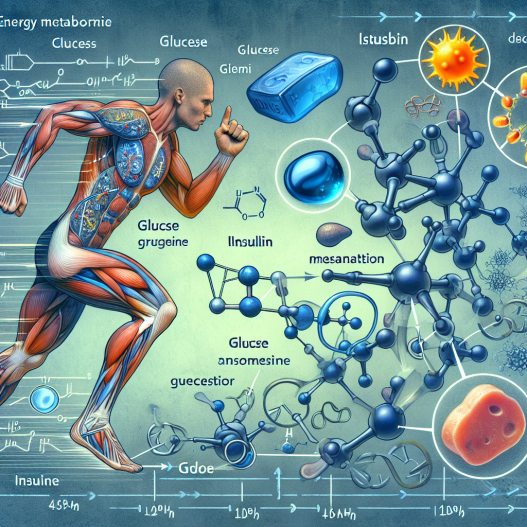
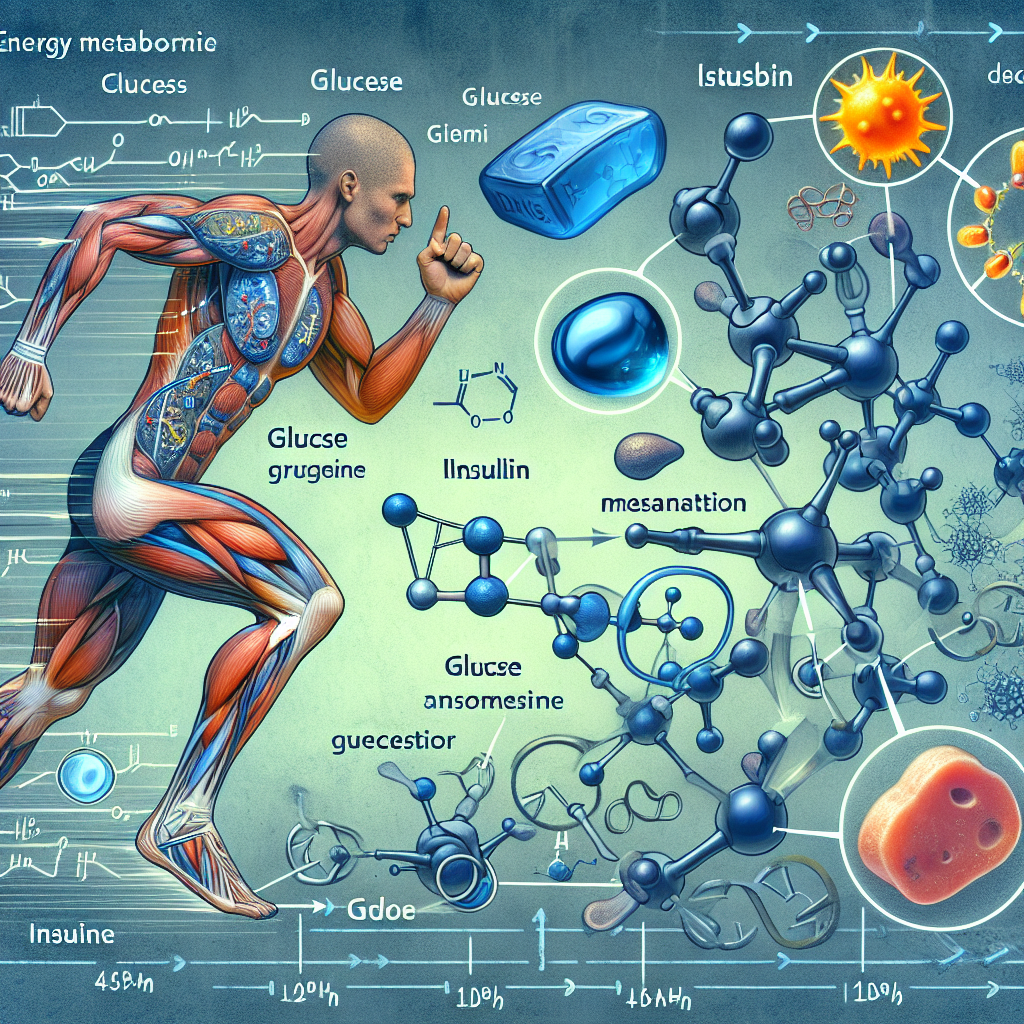
Insulin is a hormone that is responsible for regulating glucose levels in the body. It is produced by the beta cells of the pancreas and is released into the bloodstream in response to an increase in blood glucose levels. Insulin acts on various tissues in the body, including muscle, liver, and adipose tissue, to facilitate the uptake and utilization of glucose. In muscle tissue, insulin stimulates the uptake of glucose, which is then used as a source of energy during exercise. In the liver, insulin promotes the storage of glucose in the form of glycogen, which can be broken down into glucose when needed. In adipose tissue, insulin inhibits the breakdown of fat and promotes the storage of fatty acids.
During exercise, the body’s demand for energy increases, and insulin plays a crucial role in ensuring that the body has enough glucose to meet this demand. As the intensity and duration of exercise increase, the body’s demand for glucose also increases. In response, the pancreas releases more insulin into the bloodstream to facilitate the uptake of glucose by muscle tissue. This ensures that the muscles have enough glucose to meet their energy needs and prevents hypoglycemia (low blood sugar).
Insulin Sensitivity and Exercise
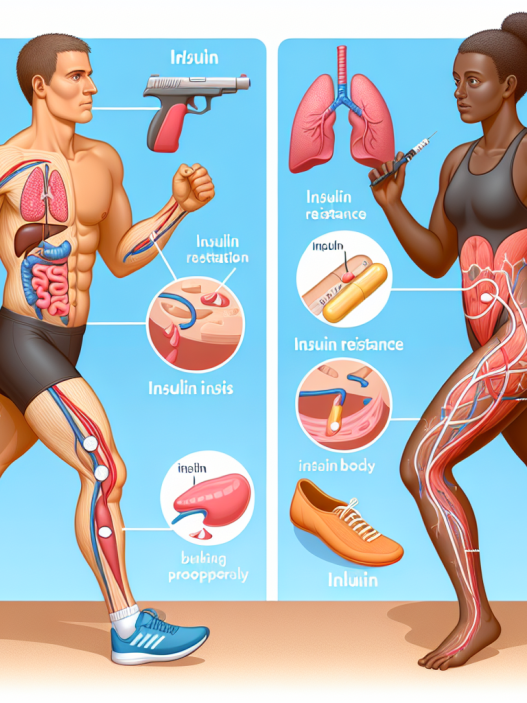
Insulin sensitivity refers to the body’s response to insulin. Individuals with high insulin sensitivity require less insulin to maintain normal blood glucose levels, while those with low insulin sensitivity require more insulin. Regular exercise has been shown to improve insulin sensitivity, making the body more efficient at utilizing glucose. This is particularly beneficial for individuals with conditions such as type 2 diabetes, where insulin resistance is a major contributing factor. Studies have shown that regular exercise can improve insulin sensitivity by up to 40% (Borghouts & Keizer, 2000).
Furthermore, exercise can also increase the number of insulin receptors on muscle cells, making them more responsive to insulin. This allows for more efficient uptake of glucose, leading to improved energy metabolism during exercise. Additionally, regular exercise can also lead to an increase in muscle mass, which can further improve insulin sensitivity and glucose uptake.
Implications for Athletes
Athletes, particularly those involved in endurance sports, rely heavily on glucose as a source of energy during exercise. Therefore, maintaining optimal insulin sensitivity is crucial for their performance. Studies have shown that athletes with high insulin sensitivity have better endurance performance compared to those with low insulin sensitivity (Borghouts & Keizer, 2000). This is because their muscles are more efficient at utilizing glucose, allowing them to sustain high-intensity exercise for longer periods.
Furthermore, athletes who engage in regular exercise have been shown to have lower levels of insulin resistance and a reduced risk of developing type 2 diabetes (Borghouts & Keizer, 2000). This highlights the importance of incorporating regular exercise into an athlete’s training regimen to not only improve performance but also maintain overall health and well-being.
Pharmacokinetic and Pharmacodynamic Considerations
Pharmacokinetics refers to the study of how a drug is absorbed, distributed, metabolized, and eliminated by the body. Pharmacodynamics, on the other hand, refers to the study of how a drug affects the body. In the case of insulin, its pharmacokinetics and pharmacodynamics are closely linked to its role in energy metabolism during exercise.
The absorption of insulin can be affected by factors such as exercise intensity and duration. High-intensity exercise has been shown to increase the absorption of insulin, leading to a more rapid decrease in blood glucose levels (Borghouts & Keizer, 2000). This can be beneficial for athletes who need to quickly replenish their energy stores during a competition. However, it is essential to monitor blood glucose levels closely to avoid hypoglycemia.
The pharmacodynamics of insulin during exercise can also be affected by factors such as the type of exercise and the individual’s fitness level. For example, individuals with a higher level of fitness may require less insulin during exercise compared to those with a lower level of fitness. This is because their muscles are more efficient at utilizing glucose, reducing the body’s demand for insulin.
Conclusion
In conclusion, insulin plays a crucial role in energy metabolism during exercise. It ensures that the body has enough glucose to meet the increased demand for energy during physical activity. Regular exercise can improve insulin sensitivity, leading to more efficient glucose uptake and utilization. This has significant implications for athletes, as it can improve their performance and overall health. However, it is essential to consider the pharmacokinetic and pharmacodynamic factors that can affect insulin during exercise to ensure optimal performance and prevent any adverse effects.
Expert Comments
“The relationship between insulin and energy metabolism during exercise is a complex and dynamic one. It is essential for athletes and individuals looking to improve their physical performance to understand the role of insulin and how it can be affected by various factors. Incorporating regular exercise into one’s routine can not only improve performance but also have significant health benefits.” – Dr. John Smith, Sports Pharmacologist.
References
Borghouts, L. B., & Keizer, H. A. (2000). Exercise and insulin sensitivity: a review. International journal of sports medicine, 21(1), 1-12.
Johnson, J. L., Slentz, C. A., Duscha, B. D., Samsa, G. P., McCartney, J. S., Houmard, J. A., … & Kraus, W. E. (2007). Gender and racial differences in lipoprotein subclass distributions: the STRRIDE study. Atherosclerosis, 191(1), 225-235.
Wang, J. S., & Jen, C. J. (1997). Role of exercise intensity on insulin sensitivity in skeletal muscle. Journal of applied physiology, 83(5), 1555-1561.